Bulk Landscape Materials, Grouped by the Ohio Build Year
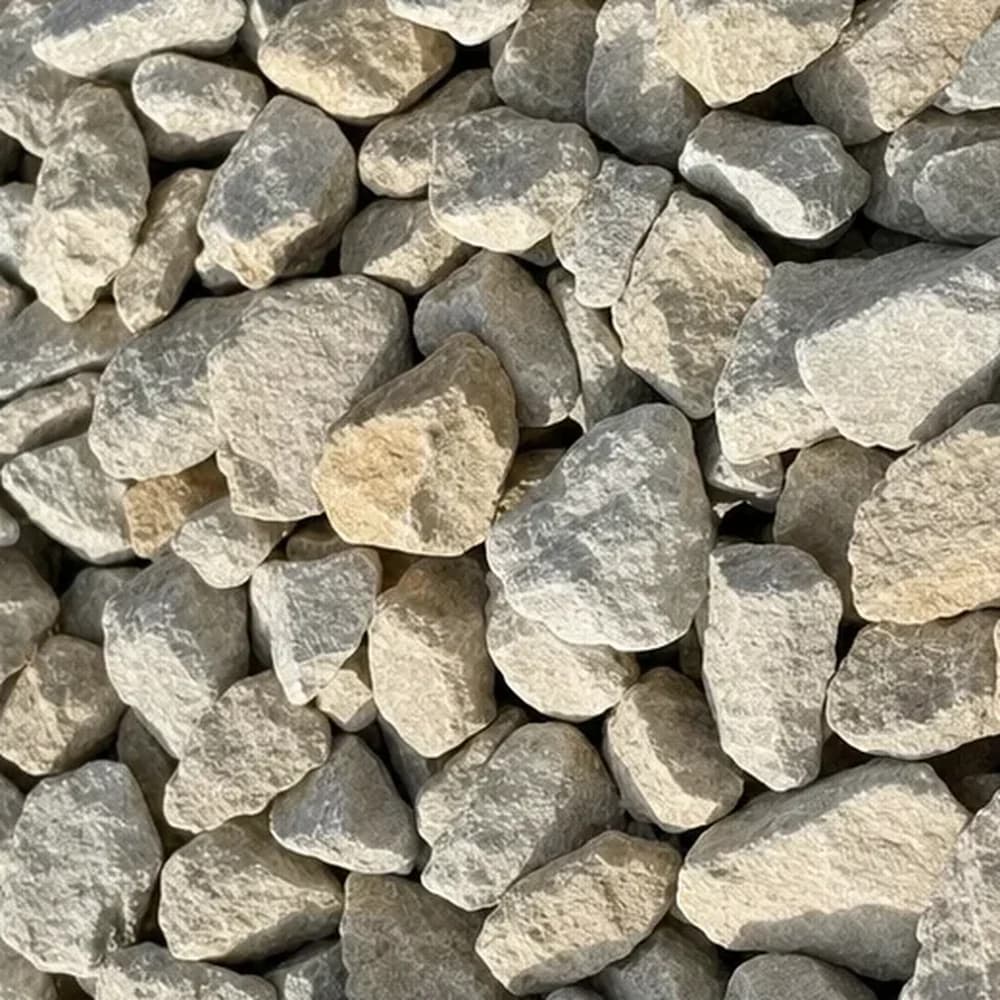
Driveway Gravel
Ohio freeze-thaw weather and slow-draining clay can work against an unpaved entrance. Driveway Gravel presses together under use for stable vehicle access. Size: 3/4 inch. Grading: Graded mix of stone sizes. Type: Crushed stone.
Free Delivery
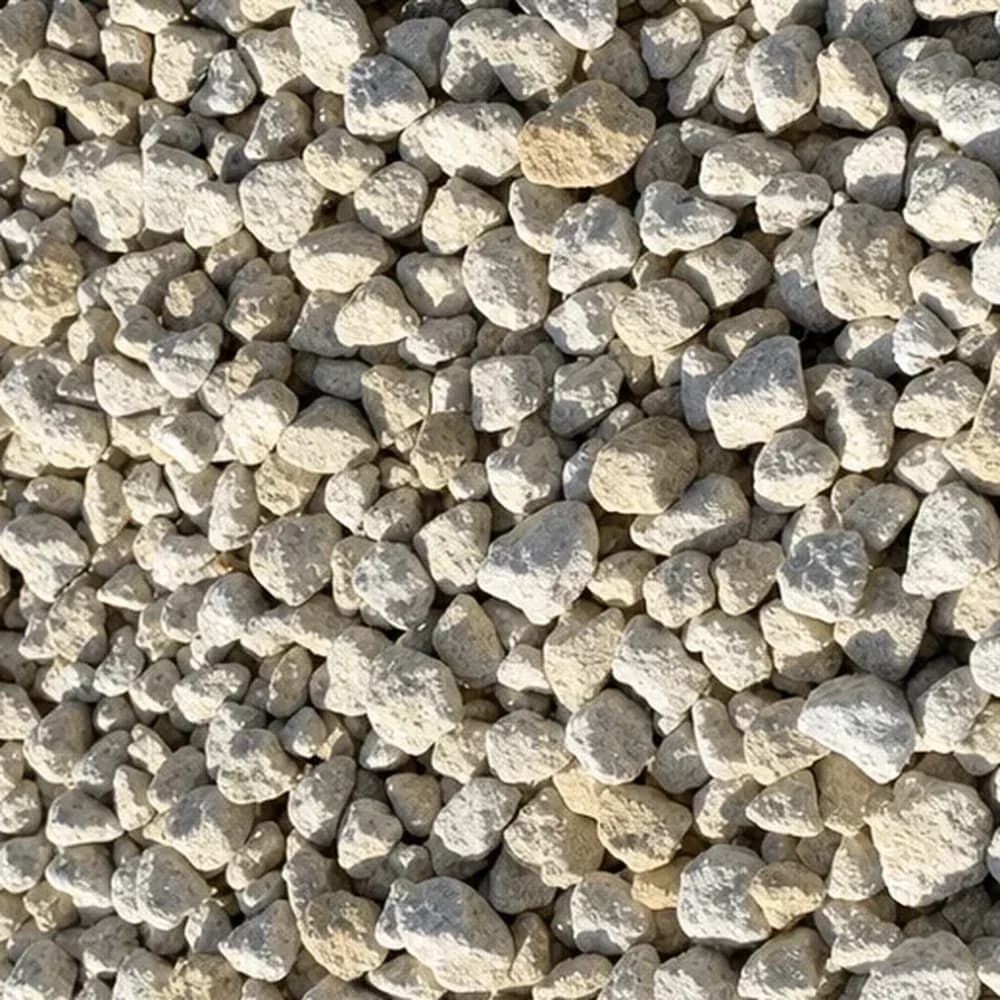
Walkway Gravel
Underfoot, Walkway Gravel has a settled feel for garden paths rather than the hard finish of paving. Ohio sites still need drainage planning around clay and frost. Size: 3/8 inch. Grading: Graded mix of stone sizes. Type: Crushed stone.
Free Delivery
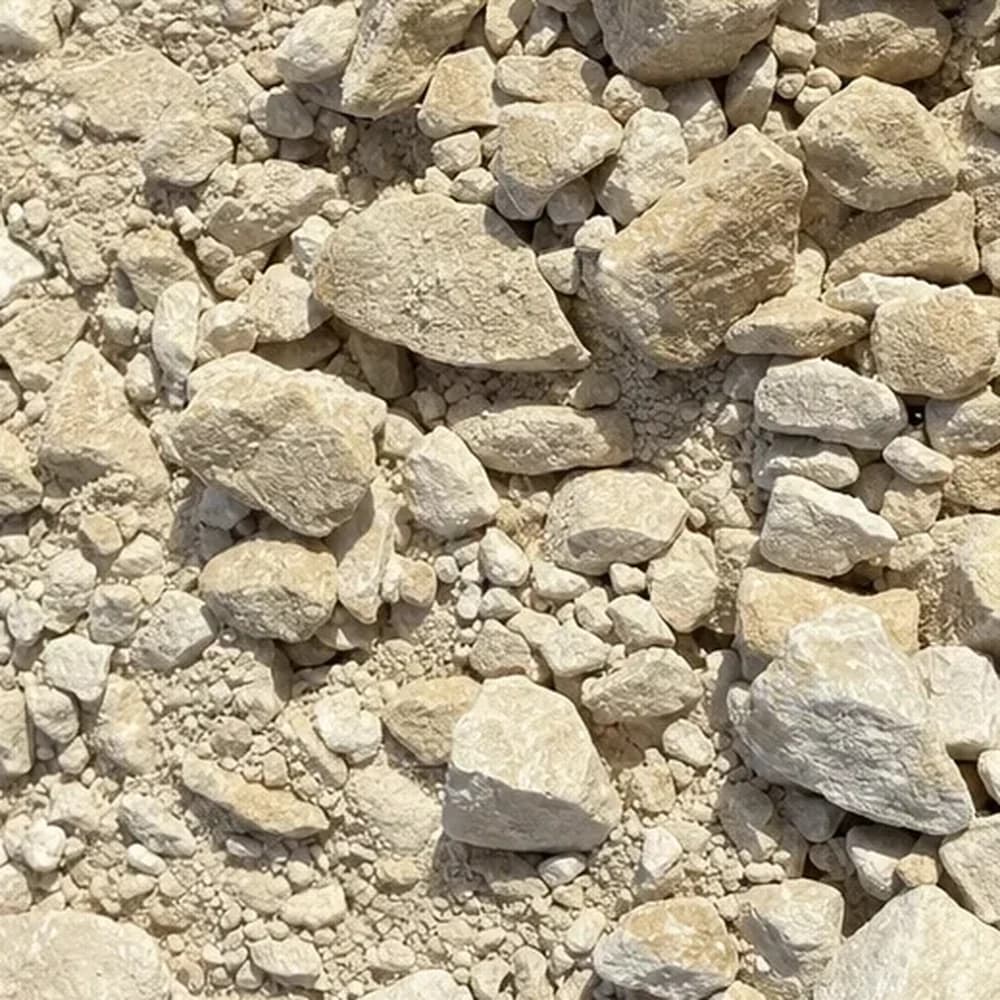
411 Stone
411 Stone gives Ohio driveway, patio, and equipment-pad work a dense base beneath surfaces exposed to wet seasons and frost. Size: 3/4 inch minus. Grading: Crushed stone blended with stone dust and fine particles. Type: Angular crushed stone.
Free Delivery
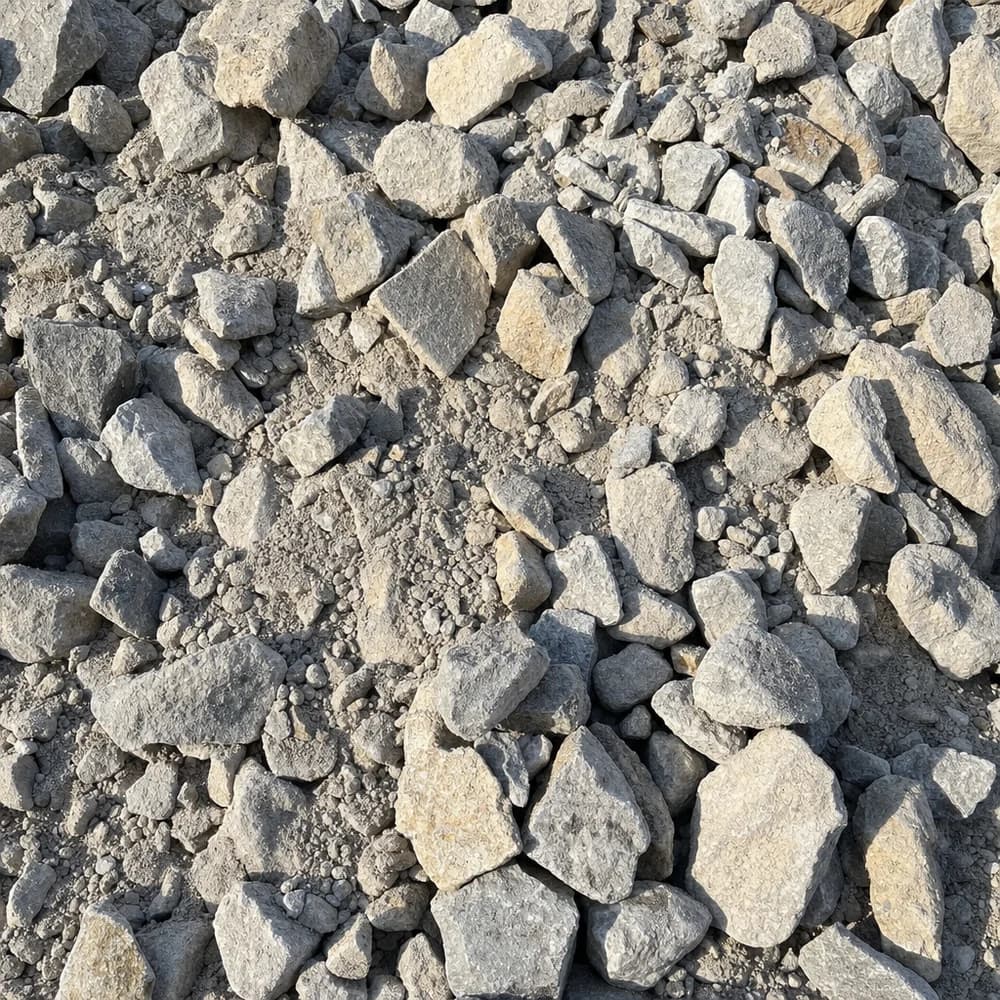
304 Aggregate Base
A driveway or barn pad in Ohio can lose bearing on wet ground and through frost; 304 Aggregate Base packs into a firm foundation. Size: 3/4 inch minus. Grading: Graded mix of crushed stone, gravel and binding fines. Type: Crushed aggregate blend.
Free Delivery
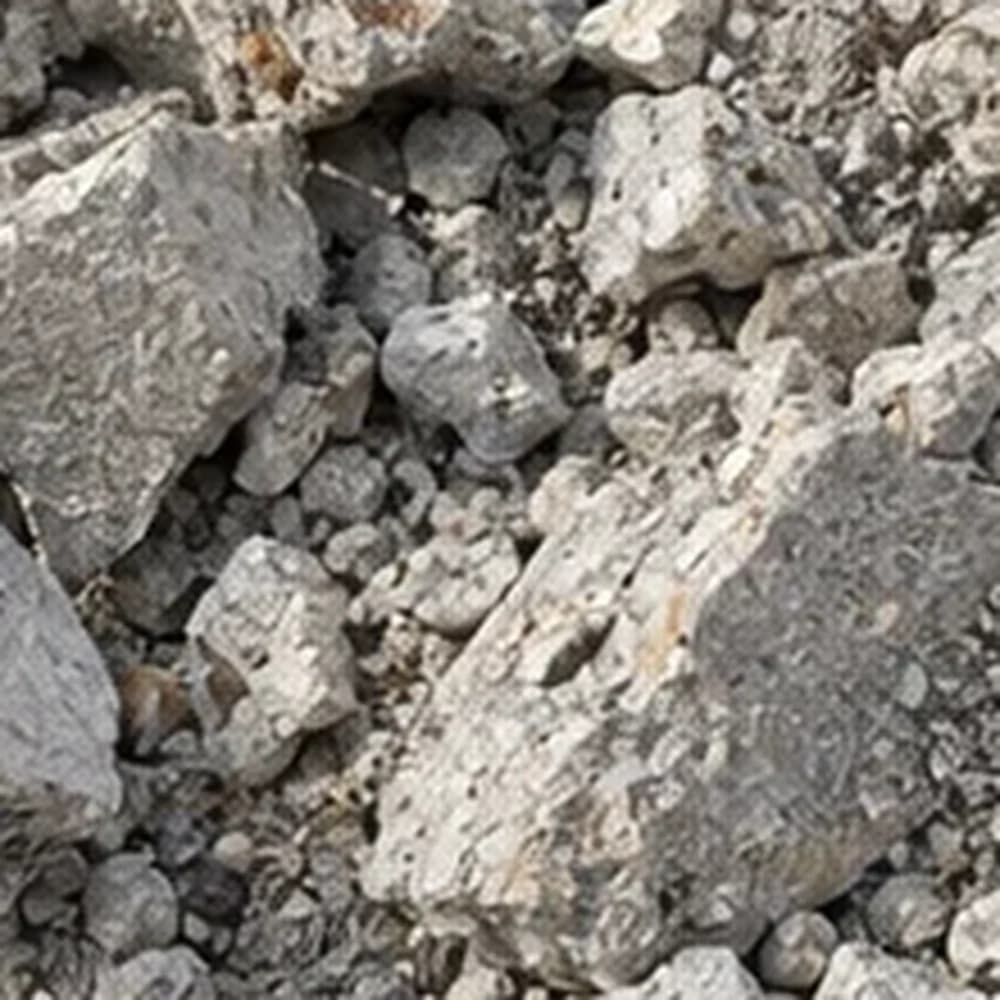
Crushed Concrete
Do not choose Crushed Concrete as drain stone. In Ohio, it belongs below traffic surfaces where a dense base is needed. Size: 3/4 inch. Grading: Angular pieces blended with fines. Type: Recycled crushed concrete.
Free Delivery
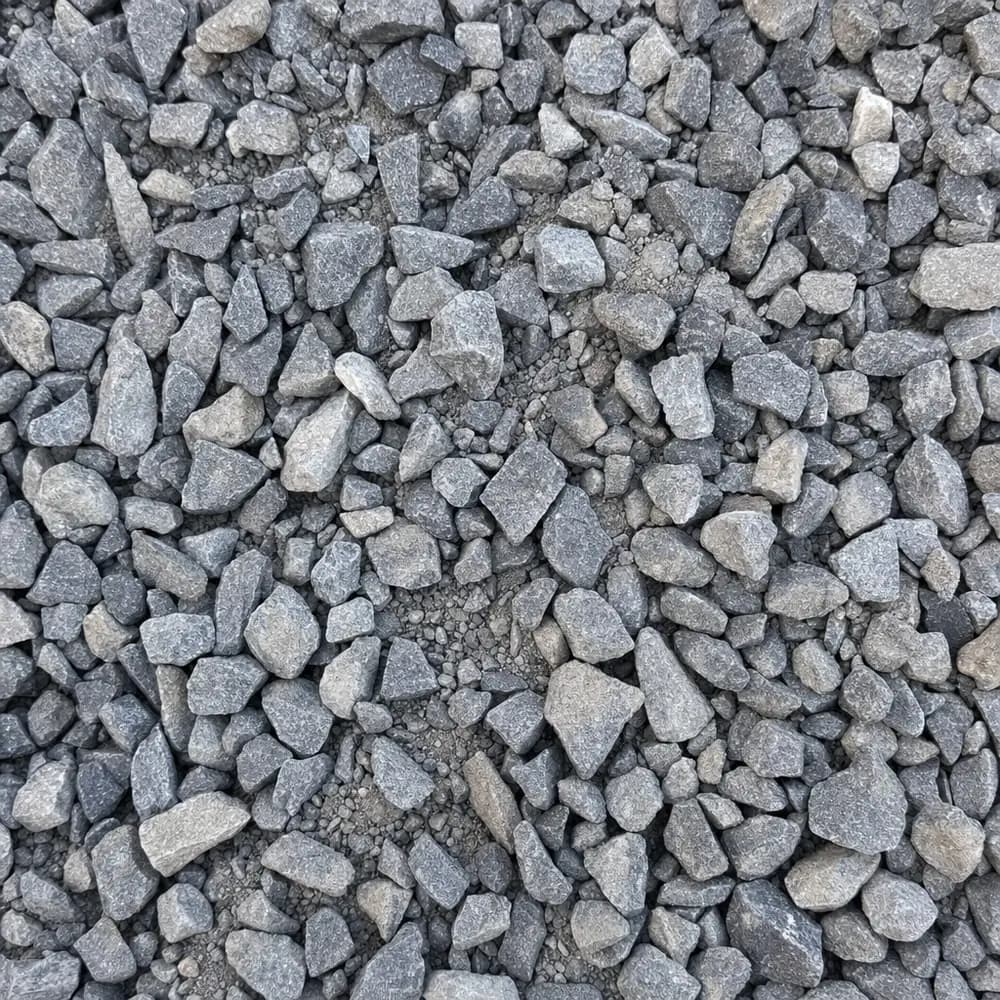
Gravel Sand
3/4 inch minus crushed stone blended with fine stone dust. Compacts tightly to create a rock-solid base for driveways, patios, and construction projects.
Free Delivery
The most expensive mistake on this page is buying one material for a two-layer job. A drive, a pad or a patio on Ohio clay is a compacted base with something else on top of it, and picking the top layer alone leaves you with stone that moves under a tire by the second winter. The bulk landscape materials below are grouped by the point in the Ohio year they usually get ordered, because the ground decides what can be built and when.
Late winter into early spring: water first, while nothing will compact
Saturated clay will not take compaction, so the season opens with drainage and erosion work rather than base building. Storm runoff off the southeast hills, snowmelt sitting on the northwest lake plain and scoured ditch banks are all March problems.
- #57 Limestone and #67 Stone for French drains, trench fill and wet corners.
- #4 Crushed Stone for trench bottoms and construction entrances on soft ground.
- Drain Rock behind walls, under downspout runs and around foundation drains.
- RipRap on culvert outlets, ditch banks and pond edges losing ground to runoff.
- Railroad Ballast where a hard standing has to carry load and still drain.
Spring into summer: base and surface, once the flats have drained
Once the till plains firm up and the lake plain flats dry out, the drive and pad season runs. Build in two layers and calculate each one separately.
- 304 Aggregate Base, the ODOT Item 304 graded mix, 1 inch minus, compacted as the structural layer.
- 411 Stone, stone to about an inch with fines, packed as the running surface over that base.
- Driveway Gravel for resurfacing an existing drive, and Walkway Gravel on paths that want a finer feel.
- Screenings and #8 Crushed Stone for paver bedding and joints, with #89 Crushed Stone where the joints are tighter still.
- 3/4 inch Crushed Stone and 3/8 inch Crushed Stone for anyone working to inch sizes rather than ODOT numbers.
The item number is how the material is described in an Ohio spec, not a certification held by this storefront, and a rock name on a listing follows local usage rather than stating what is in a given load.
Summer: beds, borders and the ground people actually walk on
Planting and finish work carries the middle of the year, when the heat makes moisture retention the point of a mulch layer.
- Top Soil, screened, for new lawns, repairs and topdressing over heavy clay subsoil.
- Garden Soil for raised beds and planting areas.
- Shredded Mulch over beds and tree rings.
- River Rock and Large River Rock for borders and dry creek beds.
- Pea Gravel on play areas, dog runs and walkways.
- Mason Sand for brick and block work and play boxes, Washed Sand for bedding and clean fill.
Late fall: fill and grade before the ground closes
The last useful weeks go on the work that has to settle over winter. Fill Dirt raises a low swale or a wet corner so that next spring's base has somewhere dry to sit, and a final blade of 304 Aggregate Base into wheel tracks keeps a lane shedding water through the freeze-thaw months. Frost reaches roughly 32 inches through much of the state and about 36 inches in parts of the north; no layer here is built that deep, so the aim is a surface that drains rather than one that resists frost.
Which unit each group is sold in
Stone, gravel and sand are sold by the ton. Soil, fill and mulch are sold by the yard. Both figures appear in the material calculators, which hold the published weight for each product, and the unit shown on a product page is the one the checkout uses. Size the job, open the product page, pick a quantity and a delivery date, then see the delivery notes for the drop spot.
Common questions
How do I plan a drive that needs a base and a surface?
As two calculations. Work out the 304 base at its depth first, then the 411 surface at its own depth, and order them as separate quantities. Entering one combined depth gives the right total volume but no way to split the delivery, and the two layers are usually laid on different days anyway.
The site stays wet. Does that change what I should buy?
It changes the order of work more than the shopping list. Fix the fall and the low spots with fill dirt first, put clean stone where water has to move, then build the base once the ground carries. Stone laid straight onto soft, wet clay gets pushed into it and the surface loses shape within a season.
I ordered the wrong material. Can it be swapped?
Ask before the delivery date. Material and quantity are set at checkout, so a change made while the order is still being scheduled is straightforward. If the wrong thing has already been tipped, it is usually more practical to find a use for it and order the right material separately.
What does the checkout actually ask me to decide?
The product, the quantity in that product's unit, the delivery ZIP code and the date you want. Everything else, including where the pile lands, is settled by what you mark on the ground and the instructions you leave.