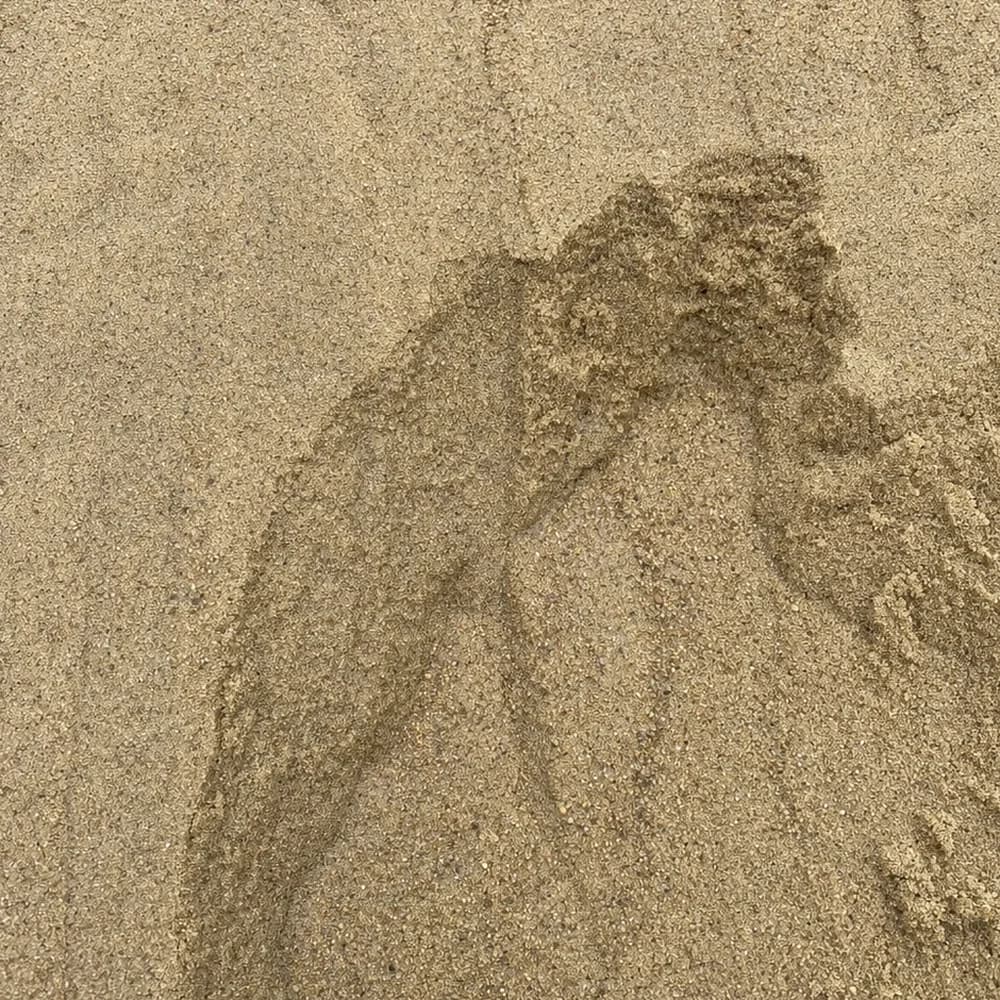
Mason Sand for Paver Work on Ohio Clay and Till
Ohio Mason Sand brings a smooth, fine feel to mortar, paver joints, and recreation areas instead of the rough feel of coarse sand.
- Size: Ultra-fine, consistent grain size
- Grading: Washed to remove clay, silt and organic impurities
From $465 for 1 ton, delivery included (larger loads cost significantly less per ton)
Free delivery included
Free delivery anywhere in Ohio
Pick a delivery date
Weekday delivery, earliest Oct 23
“Went with these guys for mason sand and it showed up right when they said it would. I'm really happy with the whole thing and would definitely order again, recommend them for sure.”
Jeff B. · Verified Buyer
Get a Free Quote
Fill out the form and our sales team will get back to you within the hour.
Size and Grading
- Size
- Ultra-fine, consistent grain size
- Grading
- Washed to remove clay, silt and organic impurities
Nearly every patio in this state is built on ground that argues with it. Glacial till holds water in its clay fraction, the flat lake plain in the northwest holds it longer still, and every winter the freeze-thaw run lifts whatever is sitting on saturated soil and sets it back down slightly out of line. Mason sand is the thin, washed layer that lets you put the surface back into a true plane on ground like that, and it is the layer people misunderstand most often, because they expect it to do work that belongs to what is underneath.
The material is washed to take out clay, silt and organic matter, and it is graded to an ultra-fine, consistent grain size. Clean and uniform is the whole point: consistent grains screed to an even thickness, and washed grains do not bring clay into the joint you are trying to keep open.
What mason sand actually fixes on a paver patio
Compacted base takes the load. The bedding course does something narrower: it takes up the small differences in the top of that base and lets every paver sit at the same height. A quarter to an inch of screeded sand is enough to do it, and more is worse, because a thick sand layer compresses unevenly under traffic and the surface goes wavy in its first year.
So the fix is not depth, it is flatness. Get the 411 stone base rolled and true, screed a thin consistent bedding course over it, lay the pavers, then sweep the fine material into the joints so the units lock against each other. Joints filled properly are what stop individual pavers moving when the ground below shifts in a thaw.
How it behaves on lake plain clay compared with a sand ridge
Mason sand drains, but not the way clean stone does. The grains are fine and packed close, so water moves through slowly and the layer holds moisture for a while after rain. On free-draining ground, such as the sandy beach ridges near the lake or the valley outwash on the eastern plateau, that hardly matters. On the heavy clay flats it matters a great deal, because water that gets into the bedding course has nowhere to go and sits there.
That is why the layer below has to drain and the surface above has to shed. Slope the finished paving so rain runs off it, keep the base free-draining, and give the edge of the build somewhere to let water out. A bedding course kept wet all winter is the reason patios on the lake plain heave more than patios on a gravel knoll.
Screeding a bedding course over a rolled base
Work in this order and the patio stays flat. Compact and check the base, including the fall, before any sand comes off the pile. Lay two screed rails at your bedding thickness, fill between them, and pull a straight board across so the surface is even rather than smooth-looking. Do not walk on it or compact it once it is screeded; it is meant to stay loose until the pavers go down.
Lay the units from a fixed edge, keeping the joints consistent, then set the restraint before you finish the field so the outside course cannot creep. Sweep the fine sand into the joints, run a plate compactor with a pad over the surface, then sweep again, because the joints take a second and often a third filling as the material works down.
Where it will not stay put: a pond edge and a construction entrance
Two jobs this sand gets ordered for will disappoint you, and both for the same reason. Fine washed grains are light enough for moving water to carry.
At a pond or shoreline edge, wave action and winter ice take a fine sand away in a season. That edge needs weight, which is RipRap on a filter layer, with a beach area built only where it is sheltered and can be topped up.
A construction entrance has the opposite problem. It needs a coarse, angular surface that knocks mud off tires and drains under load; fine sand turns to slurry under a loaded truck. #4 crushed stone is the local answer for that.
Upkeep after the first Ohio winter
Joints lose material. Rain, a leaf blower, a pressure washer and the freeze-thaw cycle all pull fine sand out of them, and empty joints are how weeds and movement get started. Top the joints up in spring, sweep in dry material on a dry day, and check the edge restraint at the same time, since a patio that has crept outward always shows it at a corner first. Where an edge keeps bleeding sand out, the restraint is the problem, not the sand.
Yards for a 14 by 18 patio bedding course
Take a hypothetical patio, 14 feet by 18 feet, with a 1 inch screeded bedding course.
- Area: 14 x 18 = 252 square feet
- Depth: 1 inch = 0.083 feet
- Volume: 252 x 0.083 = 21 cubic feet
- Cubic yards: 21 / 27 = 0.8 cubic yards
Add a little for the joints, which take more than people expect on a small unit paver, and for the material you lose off the ends of the screed. Tonnage depends on the density figure the site applies to sand, so put your own measurements through the sand calculator and let it convert the yards. For a rough figure in the meantime, the site publishes about 2,700 lb per cubic yard for mason and washed sand, near enough 1.35 tons per yard, so 0.8 of a yard is approximately 1.1 tons.
Measure your area, work out the bedding thickness you want, then choose a quantity and a delivery date above. If you are buying for a patio and a sandbox in the same load, send both sets of measurements through the contact page and Ohio Rock Supply can total it with you.
Quickly Calculate How Much You Need
Material: Mason Sand
How to Measure
Measure the length and width of your project area in feet
Decide on depth in inches (2" for landscaping, 4" for driveways)
Enter the values above and we'll calculate the tonnage you need
Need help figuring out the right amount? We can help!
Call or text us at (216) 247-5333 and we'll help you calculate the right quantity for your project.
Not sure how much you need? The Sand Calculator has depth guides, coverage charts and worked examples for this material.
Frequently Asked Questions About Mason Sand
Customer Reviews
Had mason sand delivered by Ohio Rock Supply and the price felt really fair for what I got. The driver was friendly and took his time placing it exactly where I wanted.
Paul E. · Akron, OH · Verified Buyer
Decided on mason sand from the team, delivery arrived right on schedule and I'd definitely order again and recommend them.
Lisa E. · Columbus, OH · Verified Buyer
Went with these guys for mason sand and it showed up right when they said it would. I'm really happy with the whole thing and would definitely order again, recommend them for sure.
Jeff B. · Cincinnati, OH · Verified Buyer
Got mason sand delivered from these guys and everything went great. Driver was friendly and careful about where he dropped it, 5 out of 5.
Jennifer G. · Cincinnati, OH · Verified Buyer
Mason Sand has 4 verified customer reviews with an average rating of 5 out of 5.