Fill Dirt for Raising Ohio Ground Before the Base Goes Down
For an Ohio barn or equipment pad, Fill Dirt helps correct low ground and establish a compactable rough grade before surface work begins.
- Size: Screened to remove large rocks, roots and debris
- Grading: Minimal organic matter
From $245 for 1 ton, delivery included (larger loads cost significantly less per ton)
Free delivery included
Free delivery anywhere in Ohio
Pick a delivery date
Weekday delivery, earliest Oct 23
“Decided on fill dirt from this company, and ordering was simple. Delivery came exactly when expected, and I'm really happy with how it all went.”
Tony W. · Verified Buyer
Get a Free Quote
Fill out the form and our sales team will get back to you within the hour.
Size and Grading
- Size
- Screened to remove large rocks, roots and debris
- Grading
- Minimal organic matter
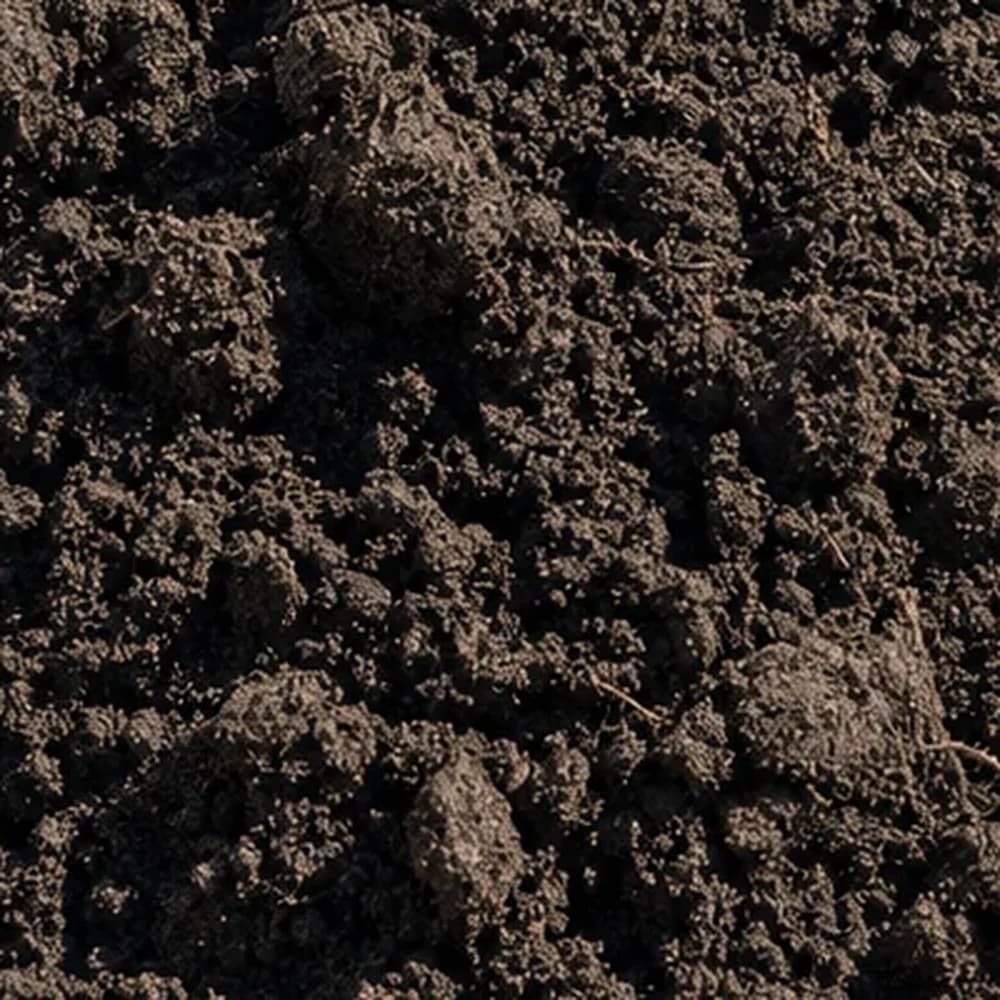
Push a hand into a pile of fill dirt and it tells you what it is straight away. It is heavy, it holds the shape of your fingers, and there is none of the dark crumb you get in a growing soil. No stones worth naming, no roots, no chunks of turf, because it has been screened. It is mineral ground: the subsoil layer that sits below the topsoil across the glacial till of this state, sold for volume rather than for anything that will grow in it. Wet weather changes the pile more than it changes any other product here, and that matters when you are buying it by weight.
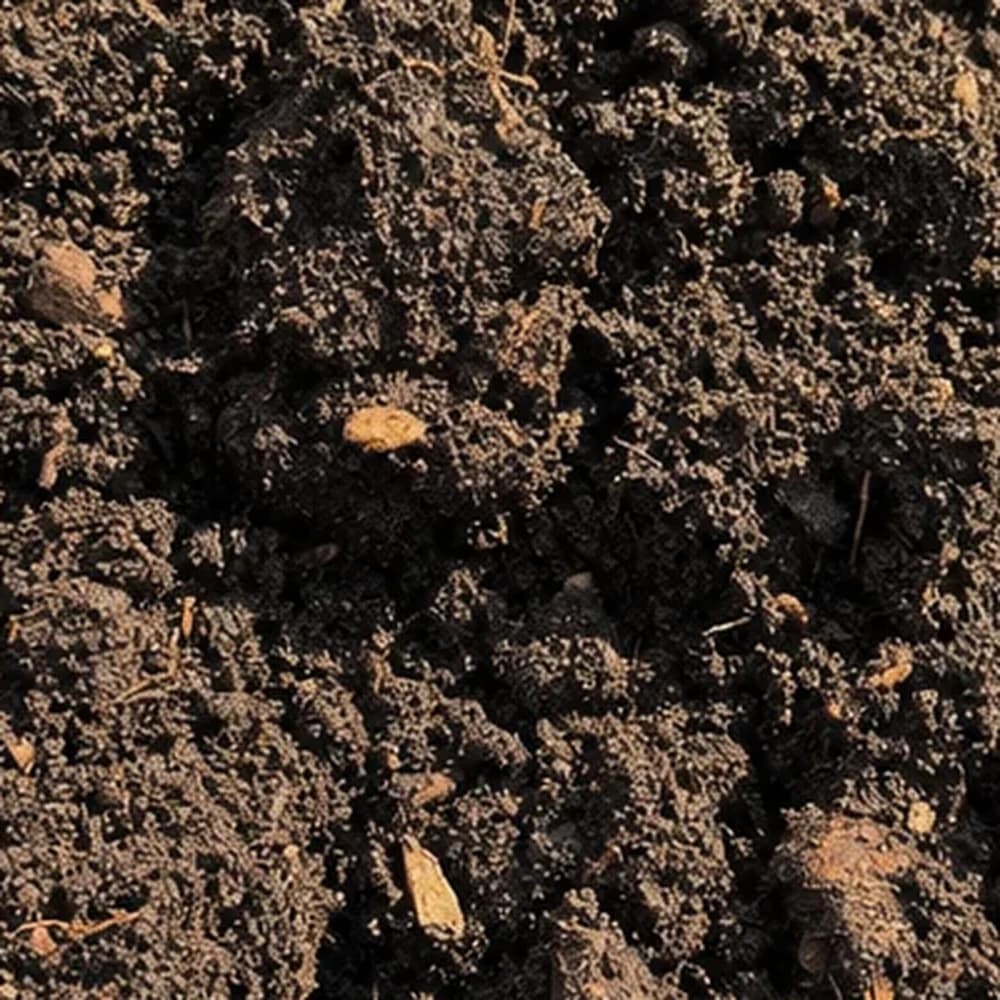
Fill dirt, top soil and garden soil, told apart at the pile
| Material | What it is for | What it will not do |
|---|---|---|
| Fill dirt | Volume and grade. Backfill, raising low ground, building up under a pad | Grow anything worth keeping |
| Top soil | The growing layer for lawn and beds, screened or pulverized | Carry structure, or hold a grade without settling |
| Garden soil | Raised beds and planting areas, blended for root growth | Fill volume economically, or compact |
The sequence on most Ohio jobs runs in that order from the bottom up: fill dirt to correct the level and take compaction, top soil over it where grass or beds are going, garden soil reserved for the beds themselves. Putting a growing soil at the bottom of a fill is the common and expensive mistake, because organic material breaks down and the grade drops years later.
| Spec | Figure |
|---|---|
| Size | Screened to remove large rocks, roots and debris |
| Grading | Minimal organic matter |
Raising a pole barn pad, backfilling a wall, killing a wet corner
The pole barn or equipment pad is the job this material was made for. Low ground gets brought up to a level, compacted in layers, and then the structural stone goes on: compacted 304 limestone as the base course, with 411 stone where a topping is wanted. Fill dirt is the cheap volume underneath the expensive layer, and it has to be compacted properly or the stone above it will move.
Backfill against a wall or a foundation is the second job. Minimal organic content is the reason it is specified there: it will not rot down and leave a trench line showing in the lawn three years later. Keep drainage stone against the wall itself where the design calls for it, and use fill dirt behind that zone rather than in it.
The third is the wet corner of a yard that ponds after every storm. On the flat clay of the northwest and in the swales of the till plains, water sits because the ground is level, not because the soil is bad. Raising the low ground so it sheds toward a ditch or a lower boundary solves more drainage complaints on this ground than any pipe does.
A dry creek bed and a fire pit surround want stone instead
Both come up as fill dirt searches and neither should be.
A dry creek bed is a channel that has to carry moving water without eroding, so the material has to be too heavy for the flow to lift. That is large river rock through the channel, with river rock at the smaller grade along the margins. Soil in that channel is simply the next thing to wash out.
A fire pit surround needs a non-combustible, free-draining surface that stays put underfoot and does not turn to mud when the ring is hosed down. Screenings compacted firm, or pea gravel for a softer finish, both do that. Fill dirt around a fire ring is mud by the second use.
Lifts, compaction, and how far a fill drops on Ohio clay
Fill goes in layers, not in one heap. Six to eight inches at a time, compacted before the next lift, is how a fill stays where you put it. A plate compactor suits small areas and a jumping jack suits trench work; anything over a pad-sized area is a roller job.
Loose fill dropped from a truck holds air, and it loses that air as it is compacted, rained on and driven over. Reckon on placing noticeably more loose material than the finished volume you measured, and on a further small drop over the first season even after good compaction. That is why fills for structures are built a little proud and allowed to settle before the base goes on.
Ohio's calendar decides the rest. Saturated clay will not compact, and it stays saturated well into spring on the lake plain and in the swales. Earthwork here runs from a spring that has genuinely dried out through to late autumn, and a fill placed on frozen or sodden ground is a fill that will settle unevenly.
Raising a 36 by 48 pole barn pad six inches
Take a hypothetical pole barn pad, 36 feet by 48 feet, where the ground has to come up an average of 6 inches before the stone base goes on.
- Area: 36 x 48 = 1,728 square feet
- Depth: 6 inches = 0.5 feet
- Volume: 1,728 x 0.5 = 864 cubic feet
- Cubic yards: 864 / 27 = 32 cubic yards
- Tons at about 2,400 lb per cubic yard dry, or 1.20 tons per yard: 32 x 1.20 = 38.4 tons
Order more than 32 yards, because that figure is the compacted volume and you are buying loose material. Wet dirt is the other variable: the site puts wet fill as high as 3,000 lb per cubic yard, or 1.50 tons per yard, so the same 32 yards would weigh about 48 tons after a soaking week. Run your own dimensions through the dirt calculator and order by the yard where you can.
Then pick a quantity and a delivery date on this page. Delivery is arranged at checkout from your ZIP code.
Quickly Calculate How Much You Need
Material: Fill Dirt
How to Measure
Measure the length and width of your project area in feet
Decide on depth in inches (2" for landscaping, 4" for driveways)
Enter the values above and we'll calculate the tonnage you need
Need help figuring out the right amount? We can help!
Call or text us at (216) 247-5333 and we'll help you calculate the right quantity for your project.
Not sure how much you need? The Dirt Calculator has depth guides, coverage charts and worked examples for this material.
Frequently Asked Questions About Fill Dirt
Customer Reviews
Decided on fill dirt from this company, and ordering was simple. Delivery came exactly when expected, and I'm really happy with how it all went.
Tony W. · Cleveland, OH · Verified Buyer
Got fill dirt from this company and everything went smooth. The driver was friendly and careful about where he placed it, which made the job way easier.
Megan L. · Cincinnati, OH · Verified Buyer
Decided on them for fill dirt, and I'm really glad I did. Delivery got here on time, and the whole thing was easy from start to finish.
Hank L. · Toledo, OH · Verified Buyer
Ordered fill dirt from Ohio Rock Supply and the whole thing was easy. I'm really happy with it and would definitely order again, recommend them for sure.
Steve D. · Akron, OH · Verified Buyer
Fill Dirt has 4 verified customer reviews with an average rating of 5 out of 5.