Top Soil for Ohio Lawns Left Sitting on Graded Clay
For an Ohio landscape finish after rough grading, Top Soil provides a smooth planting surface for turf, garden beds, and lawn repair.
- Size: Screened; free of rocks, debris and large clumps
- Grading: Balanced sand, silt and clay
From $377 for 1 ton, delivery included (larger loads cost significantly less per ton)
Free delivery included
Free delivery anywhere in Ohio
Pick a delivery date
Weekday delivery, earliest Oct 23
“Ordered top soil from them and the delivery showed up as planned. Really happy with how easy it was, 5 out of 5.”
Dave J. · Verified Buyer
Get a Free Quote
Fill out the form and our sales team will get back to you within the hour.
Size and Grading
- Size
- Screened; free of rocks, debris and large clumps
- Grading
- Balanced sand, silt and clay
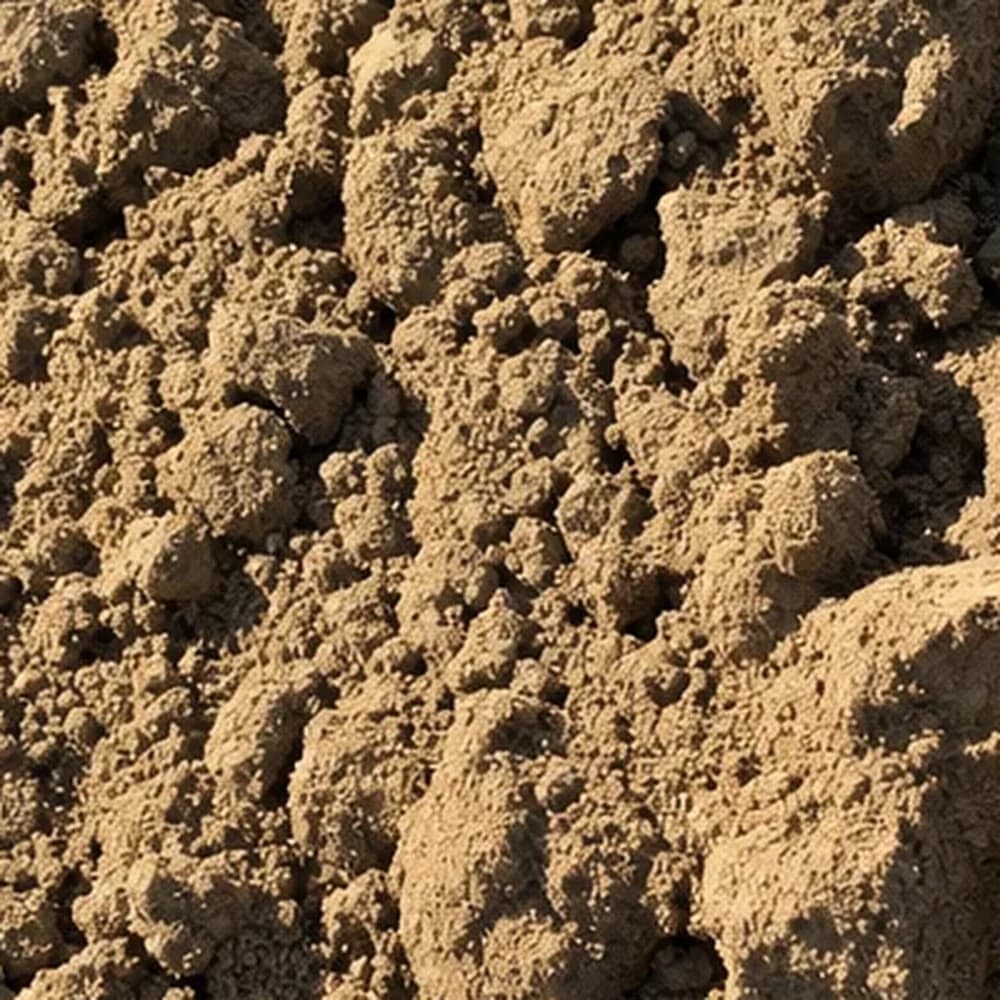
Most of the top soil ordered in this state is bought to undo the same mistake, and it usually is not the homeowner's. A drive goes in, an addition gets built, a stump comes out, and the crew leaves behind a strip of scraped, compacted subsoil. Grass seed on glacial till subsoil germinates, goes pale and thins out by August, because there is almost nothing in that layer for a root to work with. Putting a proper depth of screened soil back over the top is what fixes it, and doing that before you reseed saves doing the whole thing twice.
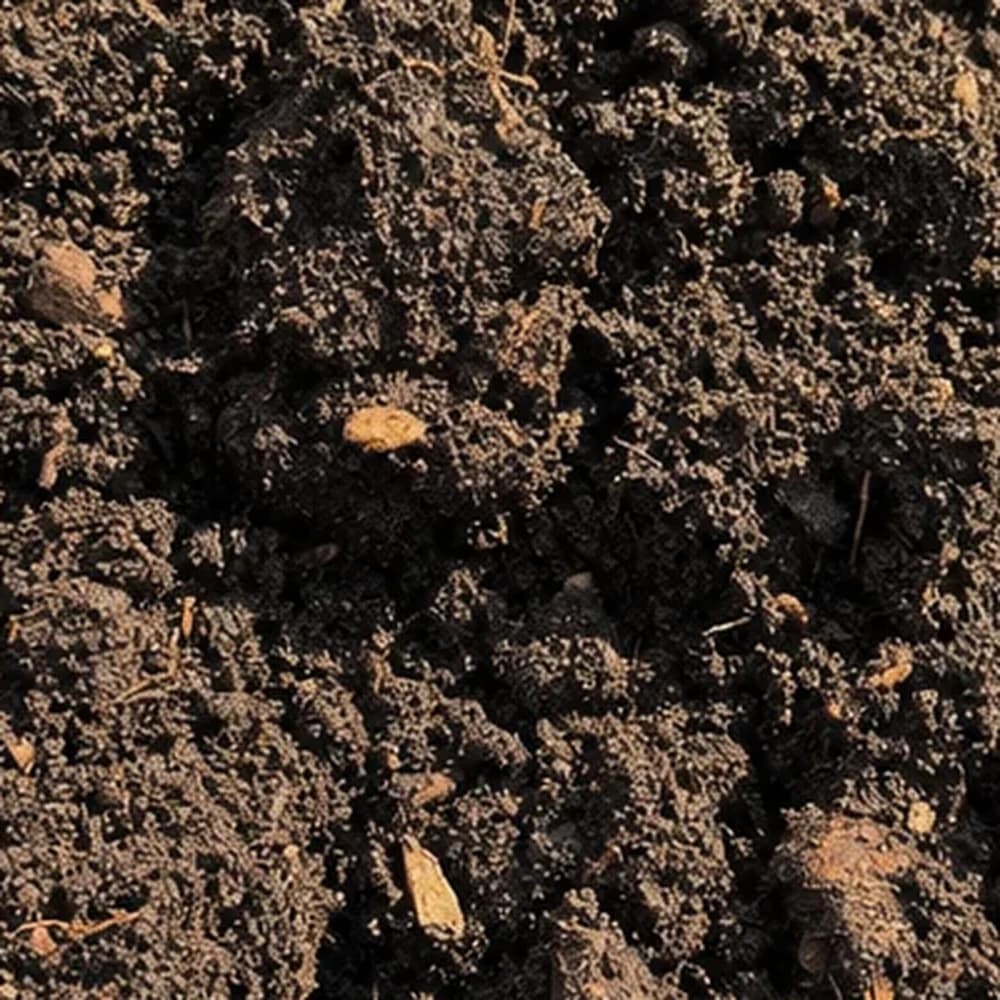
The material sold here is screened, so it is free of rocks, debris and large clumps, and it is graded as a balanced mix of sand, silt and clay. That is a soil you can rake out level in an afternoon rather than chase around in chunks.
Will top soil fix the clay strip the drive crew left behind?
Yes, if two conditions hold. The first is that water is not standing there. Soil spread over ground that stays wet gives you the same wet ground with a nicer surface, and on the flat lake plain or in a till swale that is a real risk. The second is that the layer underneath is not sealed hard. Machine traffic glazes clay subsoil into a surface roots struggle to cross, so loosen the top few inches with a garden fork, a rake or a rented tiller before the new soil goes on.
Do both and the new layer knits into what is below it. Skip them and you get a shallow tray of good soil sitting on a pan, which dries out fast in July and puddles in March.
Sorting the ground before any soil comes off the pile
Set the grade first. Water needs a fall away from the house, the drive and the barn, and the moment to fix that is before the growing layer goes down, not after the sod is rooted. Where a low corner has to come up more than a few inches, raise it with fill dirt and firm that in, then finish with the soil. Filling a big hollow with screened soil alone is expensive and it slumps, because the material is loose and organic and keeps settling.
Where the wet is coming from somewhere rather than just sitting, the fix is drainage rather than depth: a trench of #57 limestone run to daylight, or an open ditch kept clear. Freeze-thaw makes this worse every winter, lifting and dropping saturated clay and leaving the surface uneven by spring.
Spreading depth for seed, sod and a low spot that needs raising
For overseeding thin grass, a quarter to half an inch raked in is plenty, and any more smothers what is already growing. For new seed or sod on prepared ground, the usual target here is 3 to 4 inches of settled soil, which gives roots somewhere to sit above the clay through a dry August. For leveling a shallow dish in a lawn, work up to an inch at a time and let the grass grow through between passes rather than burying it.
Spread it damp but not sodden. Screened soil worked when it is wet smears and sets like plaster on Ohio clay, which is exactly the structure you were trying to get away from.
Where it belongs beside a flagstone walkway, and where it does not
Alongside a flagstone walk, soil is the finish: a band either side brought up level with the stone so the mower can pass and the grass knits to the edge. Under the flagstone it has no business at all. A walk set on soft soil rocks and lifts through the first freeze-thaw run, because the material compresses unevenly under foot traffic. Stone paths want a compacted layer of 411 stone with a thin screeded bedding course on top.
The same logic applies at the edge of a new gravel drive. Soil goes in the shoulder strip you intend to grow grass on, and stops where the stone begins.
Filling three raised vegetable beds, worked out in yards
Take three hypothetical boxes, each 4 feet by 8 feet, filled 10 inches deep.
- Area of one bed: 4 x 8 = 32 square feet
- Depth: 10 inches = 0.833 feet
- Volume of one bed: 32 x 0.833 = 26.7 cubic feet
- Three beds: 26.7 x 3 = 80 cubic feet
- Cubic yards: 80 / 27 = 3.0 cubic yards
Deep boxes are usually filled with soil in the lower two thirds and a richer mix in the top few inches, so if you are planting straight into the surface, pair this with garden soil for the layer the seedlings go into. Tonnage depends on the density figure the site applies to soil, so put your own measurements through the topsoil calculator and let it convert the yards. As a rough figure, the site publishes about 2,200 lb per cubic yard for screened topsoil, or 1.10 tons per yard, so 3.0 cubic yards is approximately 3.3 tons.
Choosing a spot for the pile and a week to spread it
Delivery is arranged at checkout from the ZIP code you enter, and you choose the quantity and the date on this page. The truck needs clear access and room to raise a bed, so think about low branches, gateposts and the trailer parked where the pile should land. Soil stains, so keep it off a finished drive if you can, or put a tarp down.
Time the order with the forecast. A pile of screened soil left out through a wet week turns heavy and sticky and is miserable to wheelbarrow, and spreading it in that state undoes the screening. Dry spring and early autumn weeks are the easy ones in this state.
Measure the areas, run the numbers, then pick a quantity and date above. If you are working out how much to order across several odd-shaped patches, send the measurements through the contact page and Ohio Rock Supply can check the total with you.
Quickly Calculate How Much You Need
Material: Top Soil
How to Measure
Measure the length and width of your project area in feet
Decide on depth in inches (2" for landscaping, 4" for driveways)
Enter the values above and we'll calculate the tonnage you need
Need help figuring out the right amount? We can help!
Call or text us at (216) 247-5333 and we'll help you calculate the right quantity for your project.
Not sure how much you need? The Topsoil Calculator has depth guides, coverage charts and worked examples for this material.
Frequently Asked Questions About Top Soil
Customer Reviews
Decided on Ohio Rock Supply for top soil, and the top soil was solid material.
Ryan D. · Cincinnati, OH · Verified Buyer
Decided on top soil from them and ordering was a breeze. Driver was friendly and careful about where he placed it, which I really appreciated.
Stephanie B. · Parma, OH · Verified Buyer
Ordered top soil and the team made the whole thing super easy. They kept me updated the whole time, and I'm really happy with how it all turned out.
Steve S. · Akron, OH · Verified Buyer
Ordered top soil from them and the delivery showed up as planned. Really happy with how easy it was, 5 out of 5.
Dave J. · Columbus, OH · Verified Buyer
Good start for new grass
I spread this over a reseeded patch of lawn. It was easy to rake out and gave the new grass a good start. It was a practical choice for the job at my Cleveland, OH home.
Jordan P. · Akron, OH · Verified Buyer
Top Soil has 5 verified customer reviews with an average rating of 4.8 out of 5.