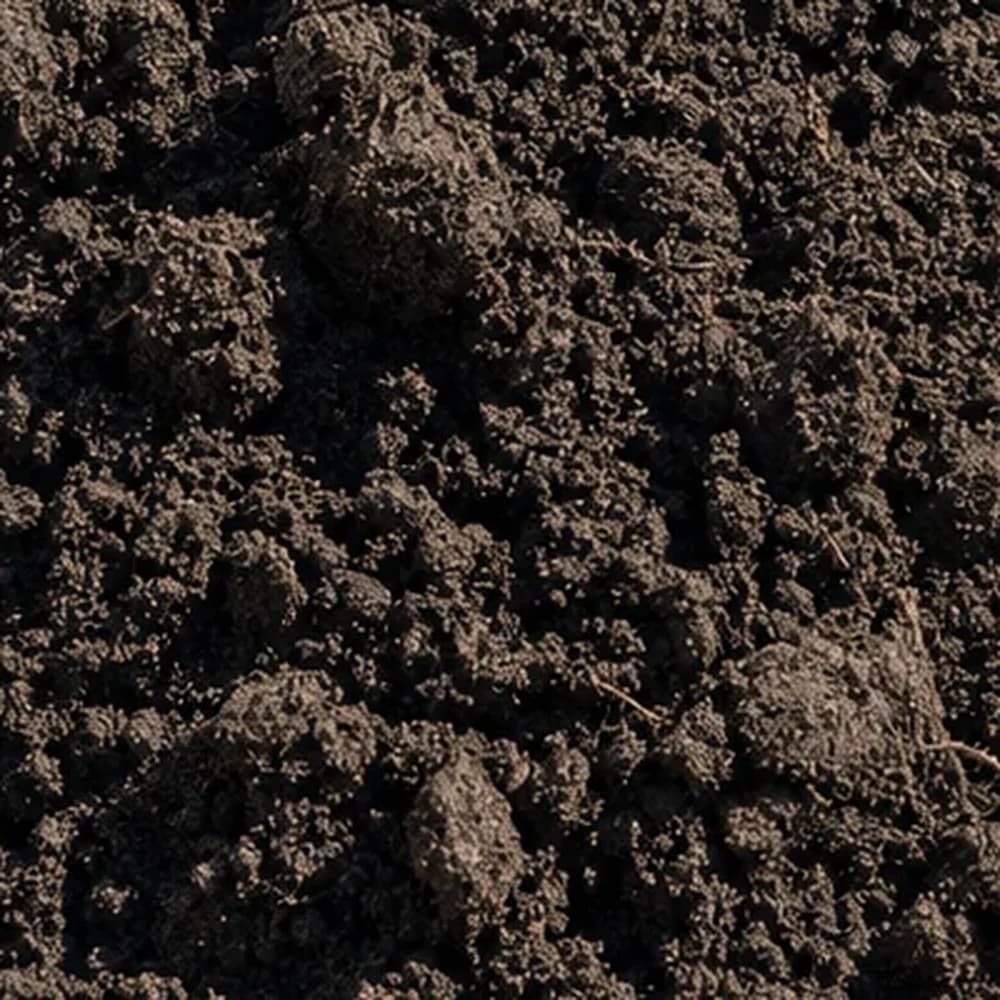
Garden Soil: a Compost Blend for Ohio Beds Sitting on Heavy Clay
Through Ohio's wet springs and changing seasons, Garden Soil supplies compost-enriched material for vegetable plots and planted borders.
- Size: Nutrient-enriched soil blend
- Grading: Enhanced with organic compost
From $473 for 1 ton, delivery included (larger loads cost significantly less per ton)
Free delivery included
Free delivery anywhere in Ohio
Pick a delivery date
Weekday delivery, earliest Oct 23
“Ordered garden soil from these guys and I'm really happy with it, plus the free delivery made it even better.”
Debbie I. · Verified Buyer
Get a Free Quote
Fill out the form and our sales team will get back to you within the hour.
Size and Grading
- Size
- Nutrient-enriched soil blend
- Grading
- Enhanced with organic compost
Bed filling in Ohio has two honest windows and neither is set by the seed catalogue. The spring one opens when the till has drained far enough that you can walk the garden without leaving prints, which on the northwest flats is often weeks after the first warm spell. The fall one opens once the summer dry spell breaks and runs until the ground freezes, and it is the better of the two for topping up borders, because there is a whole winter for the material to settle before anything is planted into it.
Fill a bed on saturated clay in early April and the blend compacts as you wheelbarrow it in, the bottom of the bed stays airless, and the roots hit a pan by July. The material has not failed. The timing has.
What the two spec lines cover, and what they leave to you
| Spec | Figure |
|---|---|
| Size | Nutrient-enriched soil blend |
| Grading | Enhanced with organic compost |
That is the whole published specification, and it is worth reading for what it does and does not claim. It tells you the material is a blend rather than a stripped field soil, and that organic compost is part of it. It does not publish a nutrient analysis, a pH figure, a compost percentage or a screen size.
So treat it the way any gardener treats a bulk soil: as a good starting medium rather than a formulation. Test the bed if you are growing something fussy, and expect to feed through a long season the way you would in any bed. The compost fraction is what gives the blend its structure, holding moisture through a dry August while still letting a heavy rain move through, which is the property that matters most in a raised bed sitting on top of clay.
Bed by bed: where garden soil goes and where fill dirt or top soil does the work
| The job | What it actually needs | Why |
|---|---|---|
| Raised vegetable beds and planters | The compost blend, the full depth of the bed | Nothing below the bed is going to feed it, so the whole volume has to be growing medium |
| A new flower border over stripped ground | The blend, worked into the top few inches | Renews structure and organic matter in ground that has been scraped or exhausted |
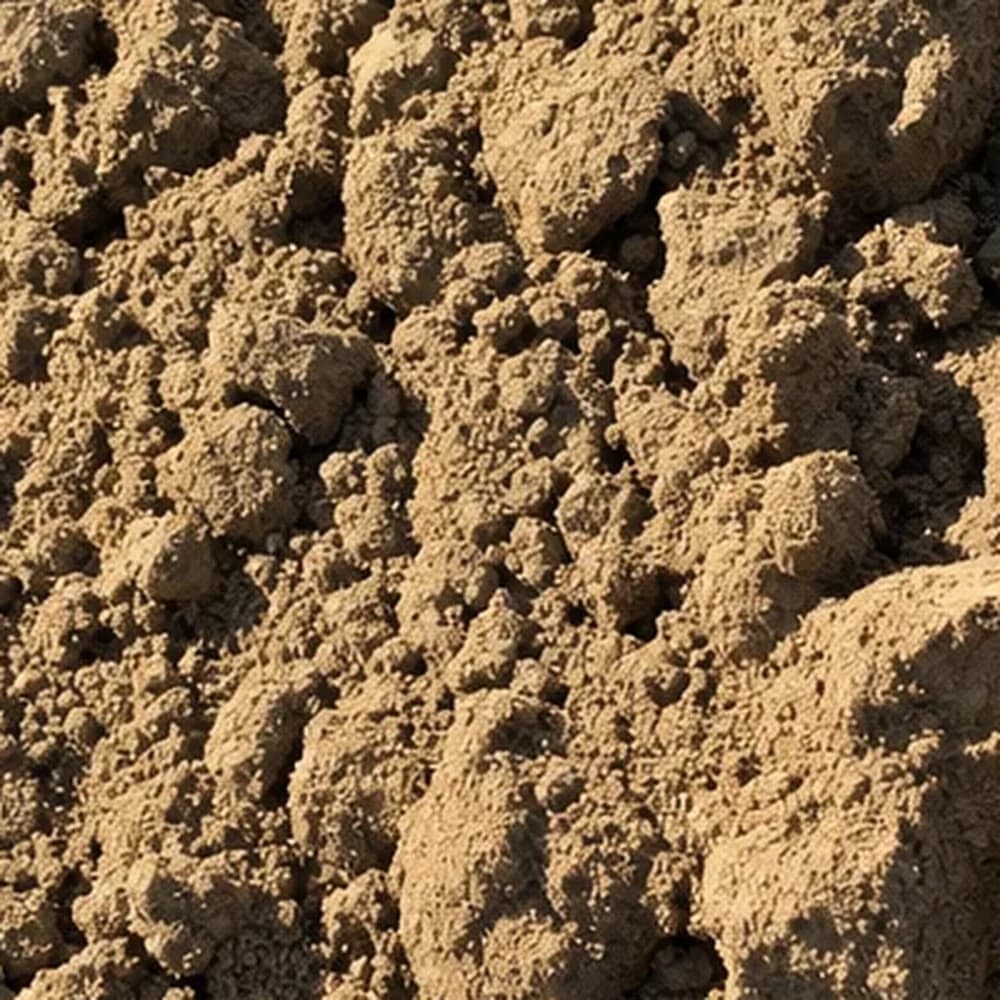
| A low spot or a yard regrade | Fill dirt to raise the level, then top soil to finish | A compost blend settles and breaks down as it rots, so it is the wrong material for making up levels |
| A culvert outlet or a ditch lining | RipRap at the outlet, #57 limestone where the flow is lighter | Moving water strips organic material out in a single storm |
| A xeriscape or rock garden bed | A shallow layer of the blend under a gritty top dressing | Dry-loving plants want drainage more than richness, so the blend is thinned and drained rather than piled |
The low spot is the one that costs people money. A rich blend used as fill loses volume as the organic fraction decomposes, so the hollow comes back and the good material is buried under the repair. Build the level with mineral fill and save the blend for the layer things grow in.
Compost over glacial till, and what the winter does to it
Most Ohio gardens sit on glacial till: clay loam with a subsoil that lets water through slowly. That is why raised beds are so common here. A bed is a way of putting growing depth above ground that will not drain, and it works as long as the bed is deep enough that roots are not sitting in the wet layer beneath.
On the flat lake plain the subsoil is worse again, and a bed less than about a foot deep will still be affected by what is happening below it in a wet spring. On the southeast hills the problem inverts: thin soils over shale shed water fast off slopes, so a bed there is more about holding moisture than shedding it.
Through winter the blend freezes, heaves and settles back. Expect a bed filled in October to sit an inch or two lower by April, which is normal and is the reason for topping up in spring rather than overfilling in fall. Freeze and thaw does the blend a favor, opening the structure that a wet autumn compacted.
Cubic yards for two raised beds and a 30 foot border strip
Take two hypothetical raised beds, each 4 by 12 feet, filled 14 inches deep.
- Area of one bed: 4 x 12 = 48 square feet
- Depth: 14 inches = 1.167 feet
- Volume per bed: 48 x 1.167 = 56 cubic feet, so 112 cubic feet for both
- Cubic yards: 112 / 27 = 4.2 cubic yards
And a hypothetical border strip, 30 feet long and 4 feet deep, topped 3 inches:
- Area: 30 x 4 = 120 square feet
- Depth: 3 inches = 0.25 feet
- Volume: 120 x 0.25 = 30 cubic feet, or 30 / 27 = 1.1 cubic yards
That is about 5.3 cubic yards across the three. This site figures a blended garden soil at roughly 2,000 lb per cubic yard, so a yard is close to a ton and 5.3 yards is roughly 5.3 tons. Order a little over rather than a little under: a bed filled level on delivery day will be an inch down by the time it has been watered in. The soil calculator will take odd shapes if your beds are not rectangles.
Where a soil pile should land in a wet Ohio April
Delivery is arranged at checkout once the ZIP code goes in, and you pick the quantity and the date on this page. A soil pile is the one material worth planning a spot for in advance, because wet blended soil is heavy, it stains a driveway, and it kills whatever lawn it sits on within about four days.
Pick hard standing if you have it, put a tarp down if you do not, and choose a spot the wheelbarrow can reach from without crossing a soft lawn. The truck needs a clear approach and room to raise a bed. If rain is forecast for the delivery day, a second tarp over the pile keeps the top of it workable, because a soaked blend wheelbarrows like wet concrete.
Work out your beds, add the strip, then set a quantity and a date above. For a garden where the beds are odd shapes and the total is awkward, send the measurements through the contact page and someone at Ohio Rock Supply can check the figure with you.
Quickly Calculate How Much You Need
Material: Garden Soil
How to Measure
Measure the length and width of your project area in feet
Decide on depth in inches (2" for landscaping, 4" for driveways)
Enter the values above and we'll calculate the tonnage you need
Need help figuring out the right amount? We can help!
Call or text us at (216) 247-5333 and we'll help you calculate the right quantity for your project.
Not sure how much you need? The Soil Calculator has depth guides, coverage charts and worked examples for this material.
Frequently Asked Questions About Garden Soil
Customer Reviews
Needed garden soil for my raised beds and the team made it easy, fair price and the garden soil looks great.
Maria G. · Cleveland, OH · Verified Buyer
Ordered garden soil from these guys and I'm really happy with it, plus the free delivery made it even better.
Debbie I. · Cincinnati, OH · Verified Buyer
Decided on garden soil from the team, and the delivery showed up right when they said it would. Fair pricing too, I'm really happy with the value.
Rachel A. · Columbus, OH · Verified Buyer
Ordered garden soil from Ohio Rock Supply and everything went super smooth. They kept me updated the whole time and communication was easy. The garden soil looks great, really happy with it.
Amanda L. · Toledo, OH · Verified Buyer
Garden Soil has 4 verified customer reviews with an average rating of 5 out of 5.