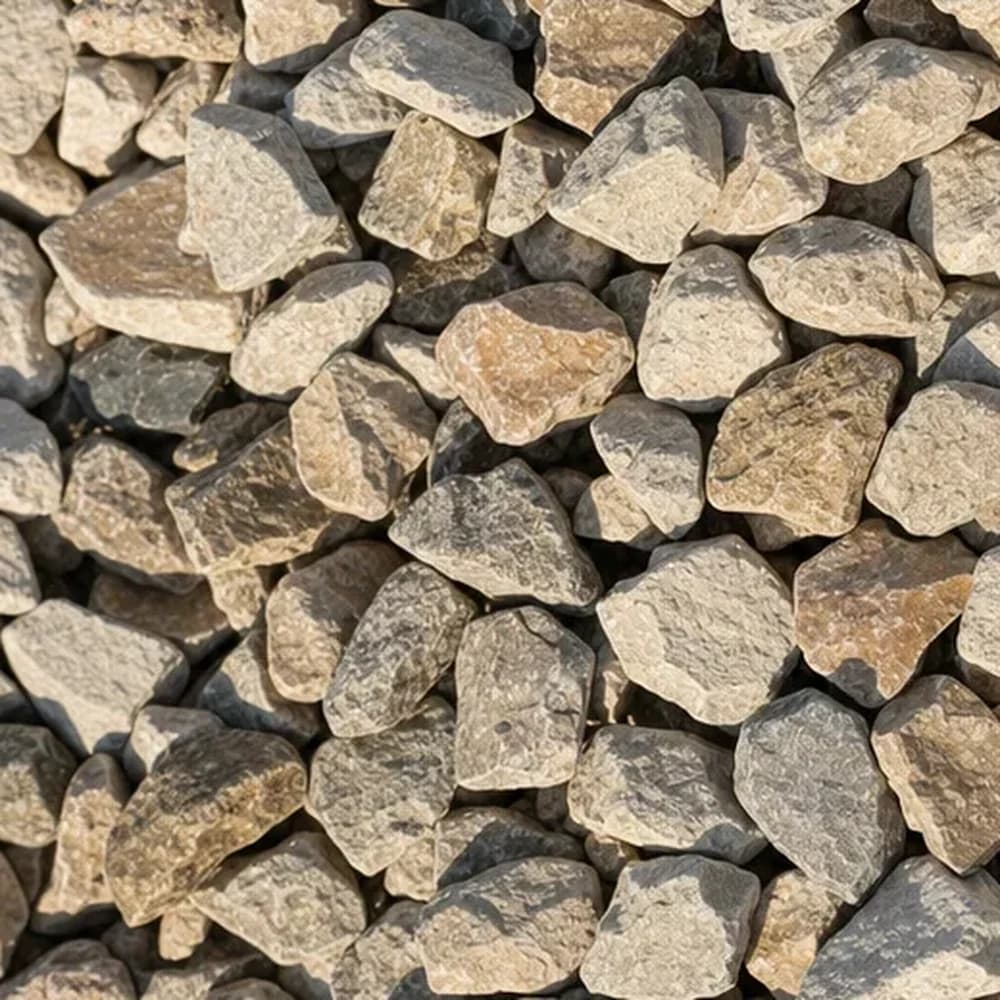
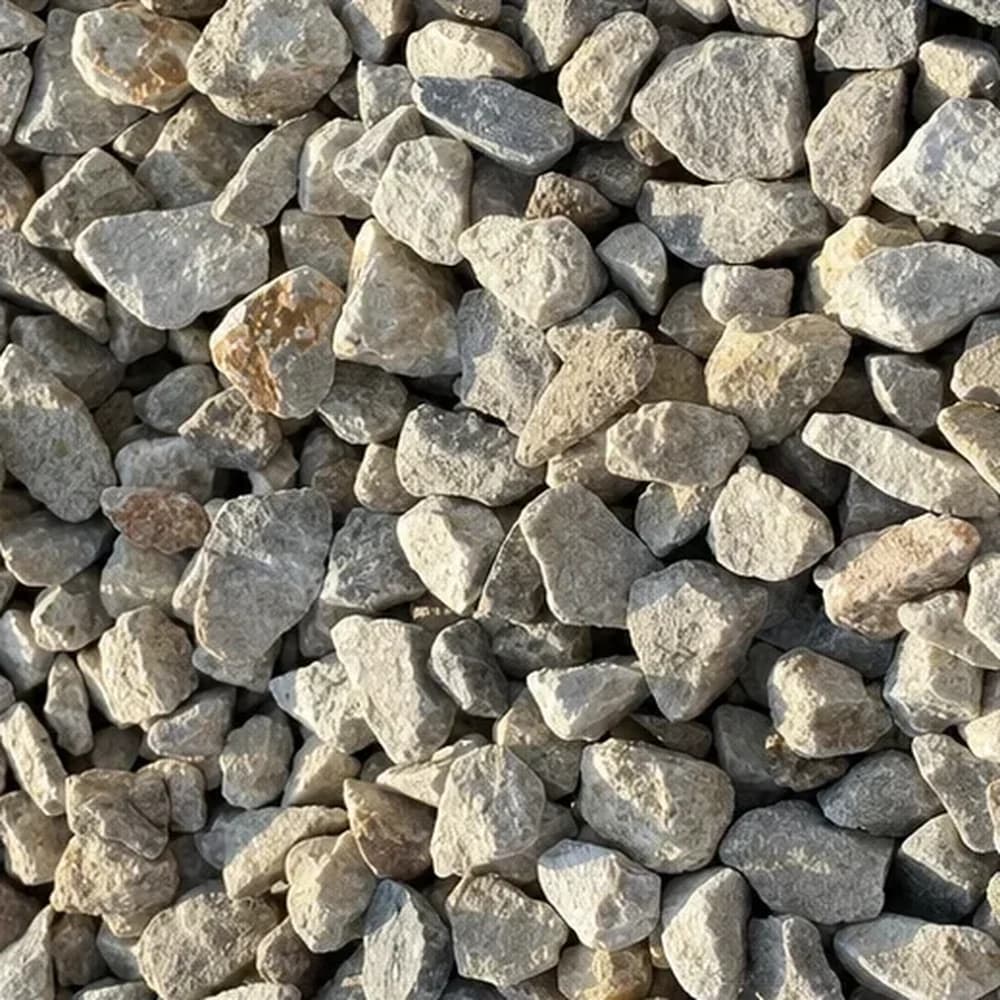
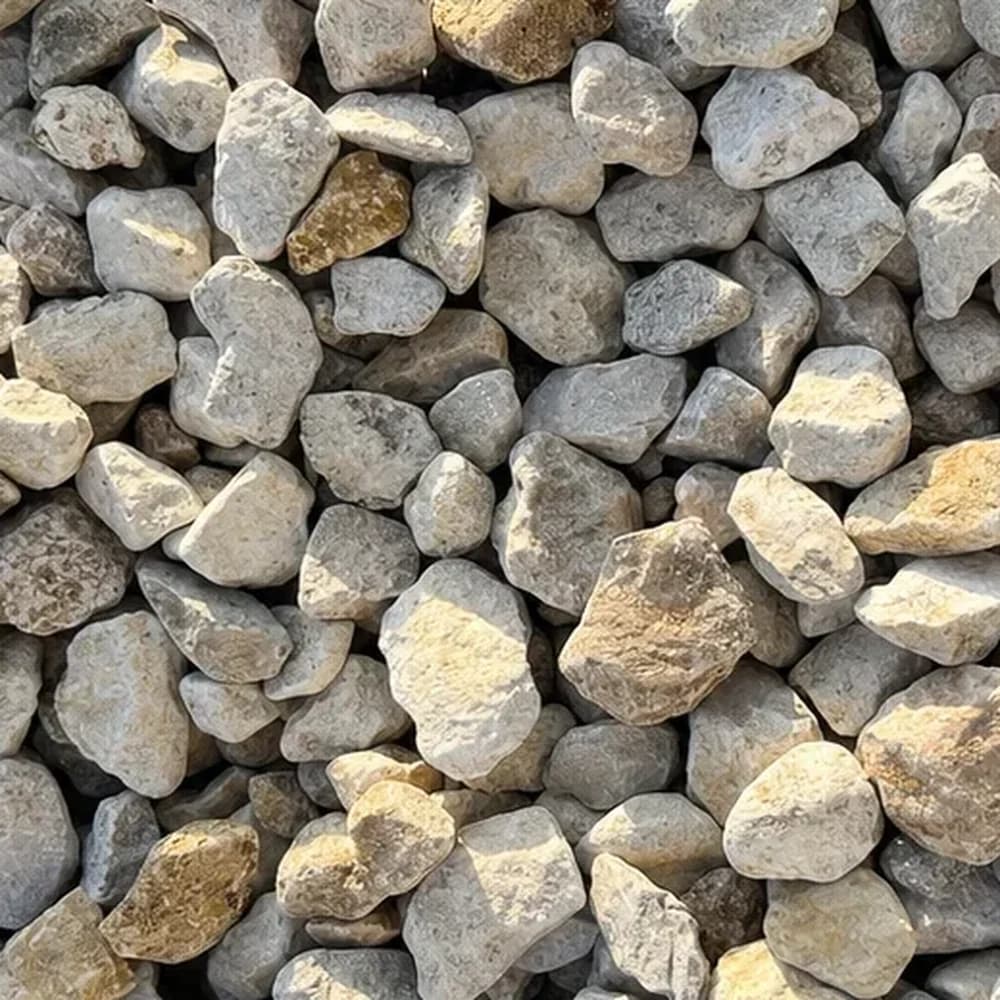
Screenings: 1/4 Inch Minus Limestone for Ohio Bedding and Path Work
Also sold as #10 Stone Screenings
Keep Screenings as the finishing course on an Ohio patio base, where compaction creates a flat setting surface beneath pavers or flagstone.
- Size: 1/4 inch minus
- Grading: Stone dust and fine particles
- Type: Angular crushed stone
From $448 for 1 ton, delivery included (larger loads cost significantly less per ton)
Free delivery included
Free delivery anywhere in Ohio
Pick a delivery date
Weekday delivery, earliest Oct 23
“Ordered Screenings from this company and the whole thing was a breeze. Pricing was fair, and I felt like I got good value for what I paid. Delivery showed up when expected and I'm really happy with it.”
Kevin J. · Verified Buyer
Get a Free Quote
Fill out the form and our sales team will get back to you within the hour.
Size and Grading
- Size
- 1/4 inch minus
- Grading
- Stone dust and fine particles
- Type
- Angular crushed stone
The ground most screenings jobs in this state sit on is glacial till, clay loam over a subsoil that lets water through slowly and sometimes not at all. It holds moisture close to the surface, firms up weeks after the calendar says spring, and moves under anything placed while it is still soft. On the flat lake plain in the northwest it is worse again, because the whole landscape is an old lake bed that has nowhere to shed water to.
None of that is an argument against a fine crushed limestone. It is an argument for getting the timing and the layer underneath right, because screenings will faithfully reproduce whatever shape the ground beneath them takes.
The window on till ground opens later than people plan for
Compaction is the whole value of a 1/4 inch minus material, and compaction needs a subgrade that will not squeeze. On till clay that means waiting until the flats have drained and the ground firms up under a boot heel, which in most of Ohio is well into spring rather than at the first warm week. Along the snowbelt east of Cleveland the snow itself holds the date back further.
The season then runs long. Work placed in September and October has the advantage that the ground is at its driest all year, and a course compacted into firm dry till is the one that comes through the first winter unchanged. What does not work is the shoulder season at either end: frozen ground will not take compaction, and saturated clay pumps water up through a fresh lift as the plate passes over it.
| Spec | Figure |
|---|---|
| Size | 1/4 inch minus |
| Grading | Stone dust and fine particles |
| Type | Angular crushed stone |
Getting a wet subgrade ready before any of it goes down
Strip the sod and the soft topsoil off entirely. Both hold water and both compress, and a fine material laid over them will mirror every soft patch within a season. Shape the exposed subgrade so water crosses it and leaves, then compact it.
On slow-draining ground the course underneath matters more than the finish. A compacted 304 aggregate base is what Ohio work specifies below a pad or a lane, built in lifts of a few inches and rolled each time, and many people put a geotextile between the clay and that base so the two do not mix. The fine material then goes on as a thin finishing course, moistened and compacted until it stops moving under the plate. Laid straight onto clay without that base, it will rut the first time something heavy crosses it in a wet week.
A play area, a boat pad and a lane out to the back field
Three jobs, three different roles for the same material.
A play surface wants something firm and even that drains after a downpour, and a compacted screenings course gives that, dense enough for a cart or a chair wheel to cross. It is also a hard surface, so it is a path and pad material rather than a fall surface under climbing equipment, and a rounded stone such as pea gravel is the softer alternative where children are jumping off things.
An RV or boat pad is the strongest case for it. The base carries the weight, and a couple of inches of fines on top gives a flat surface that tires do not chew into and that will not track stone into the road. Screenings pack tight enough that a jack pad or a stand foot sits without sinking.
A long rural lane is the job to think twice about. As a wearing course over a sound base, the fines resist the washboarding that a loose stone develops. What they do badly is stand up to standing water: a lane holding water in the wheel tracks will turn a fine surface greasy, and on the flat northwest ground that is the normal spring condition. Crown the lane first, or top it with 411 stone instead, which carries larger pieces through the mix.
Tons of screenings for a 16 by 24 boat pad and a 400 foot lane
Take a hypothetical boat and trailer pad, 16 by 24 feet, with a 2 inch finishing course over a compacted base.
- Area: 16 x 24 = 384 square feet
- Depth: 2 inches = 0.167 feet
- Volume: 384 x 0.167 = 64 cubic feet
- Cubic yards: 64 / 27 = 2.4 cubic yards
- Tons: this site figures screenings at roughly 2,900 lb per cubic yard, about 1.45 tons per yard, so 2.4 x 1.45 = about 3.5 tons
The base under that same pad at 6 inches is 384 x 0.5 = 192 cubic feet, or 7.1 cubic yards, which is worth knowing before you order the finishing material and discover the structural layer is the bigger number.
For a hypothetical lane 400 feet long and 10 feet wide, topped 2 inches deep: 4,000 square feet x 0.167 = 668 cubic feet, 24.7 cubic yards, or roughly 36 tons at the same approximate weight. Put an irregular shape through the stone calculator rather than guessing at an average width.
What the first freeze and thaw run does to a compacted course
A properly compacted surface comes through winter with very little change. What lifts it is trapped water, so the spots that heave are the spots where water could not get away: a low corner, a place where the fall was flat, the edge against a building. Those are worth fixing in April rather than topping up every spring.
Expect a thin scatter of loose fines on the surface after thaw, which rakes back in. Expect weeds at the edges by the second summer, because seed lands in anything. And expect the surface to dust in a dry August, which is the trade for a course that sets hard when it is damp.
Measure the pad, work the two courses separately, then choose a quantity and a delivery date here. The truck needs a clear run in and room to raise a bed, so pick the drop spot before you book. Ohio Rock Supply can look over an awkward layout through the contact page if the pad and the base do not work out to sensible loads.
Quickly Calculate How Much You Need
Material: Screenings
How to Measure
Measure the length and width of your project area in feet
Decide on depth in inches (2" for landscaping, 4" for driveways)
Enter the values above and we'll calculate the tonnage you need
Need help figuring out the right amount? We can help!
Call or text us at (216) 247-5333 and we'll help you calculate the right quantity for your project.
Not sure how much you need? The Stone Calculator has depth guides, coverage charts and worked examples for this material.
Frequently Asked Questions About Screenings
Customer Reviews
Needed Screenings for a small project and this company made it super easy. They kept me updated the whole time, and the delivery showed up just like they said.
Nate W. · Cincinnati, OH · Verified Buyer
Ordered Screenings from this company and the whole thing was a breeze. Pricing was fair, and I felt like I got good value for what I paid. Delivery showed up when expected and I'm really happy with it.
Kevin J. · Cincinnati, OH · Verified Buyer
Went with the team for Screenings, and I was really happy with how they kept me updated the whole time.
Pat V. · Parma, OH · Verified Buyer
Ordered Screenings from them, the driver was friendly and careful about where he dropped it, and I'd definitely order again and recommend them.
Ashley K. · Akron, OH · Verified Buyer
Screenings has 4 verified customer reviews with an average rating of 5 out of 5.