#8 Crushed Stone: Clean 3/32 to 3/8 Inch Stone for Ohio Drain and Paver Work
French drains on Ohio clay benefit from #8 Crushed Stone, a crushed material for drainage, paver details, and concrete mixes.
- Size: About 3/32 inch to 3/8 inch
- Grading: #8, clean with little to no fines
- Type: Crushed stone
From $448 for 1 ton, delivery included (larger loads cost significantly less per ton)
Free delivery included
Free delivery anywhere in Ohio
Pick a delivery date
Weekday delivery, earliest Oct 23
“Picked up crushed stone from them and everything was easy from start to finish. Pricing was fair, and I'm really happy with what I got.”
Karen L. · Verified Buyer
Get a Free Quote
Fill out the form and our sales team will get back to you within the hour.
Size and Grading
- Size
- About 3/32 inch to 3/8 inch
- Grading
- #8, clean with little to no fines
- Type
- Crushed stone
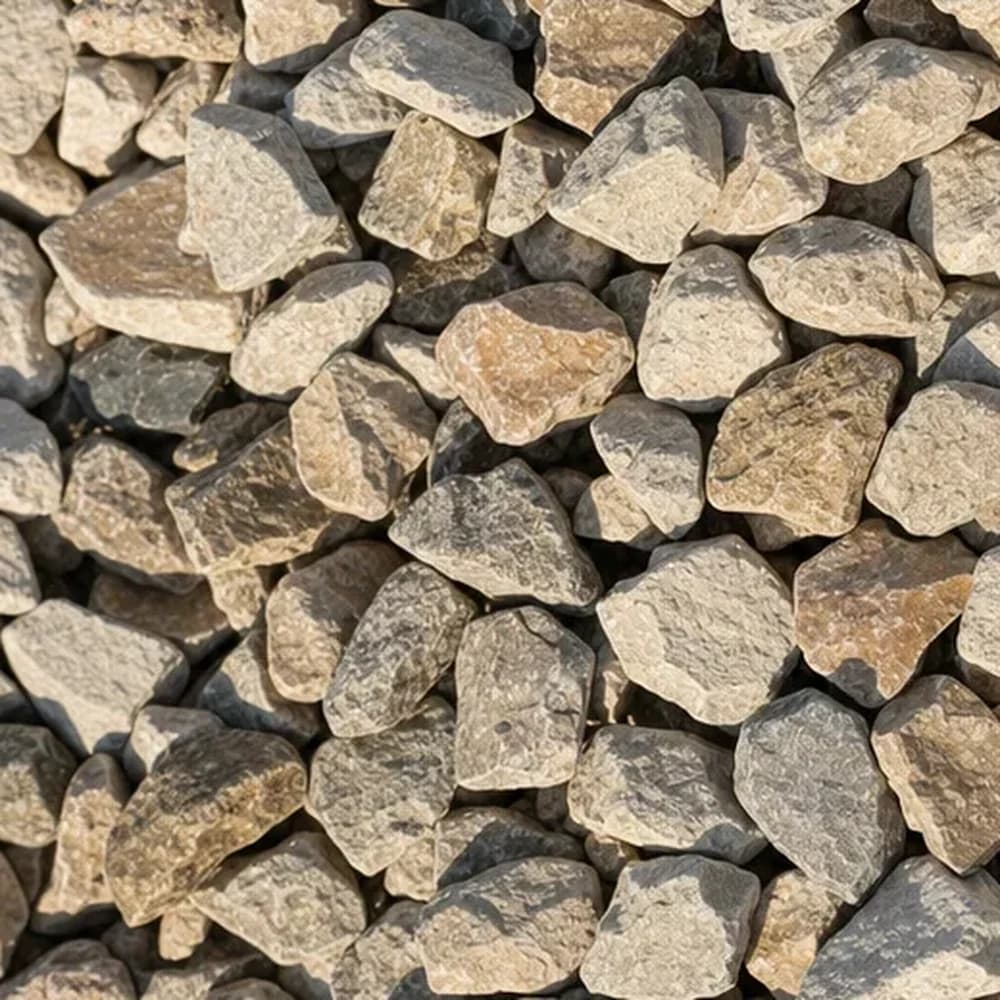
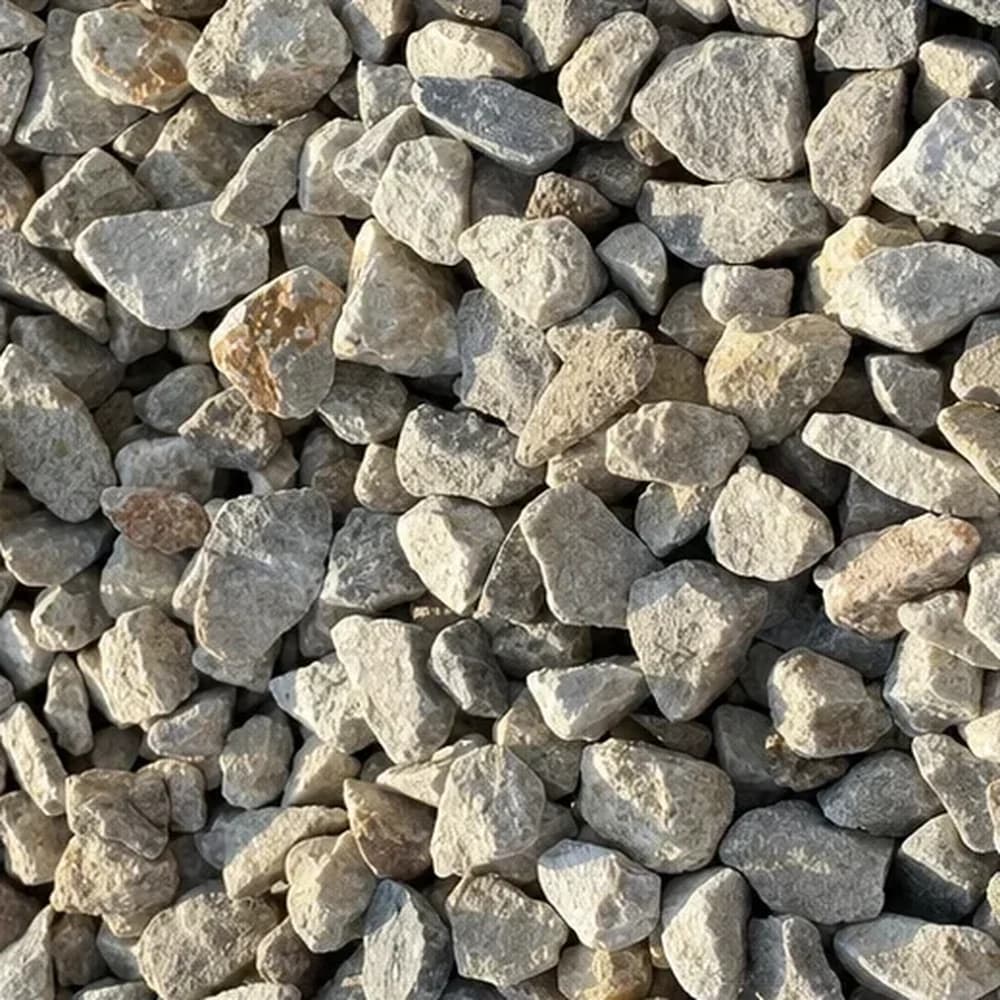
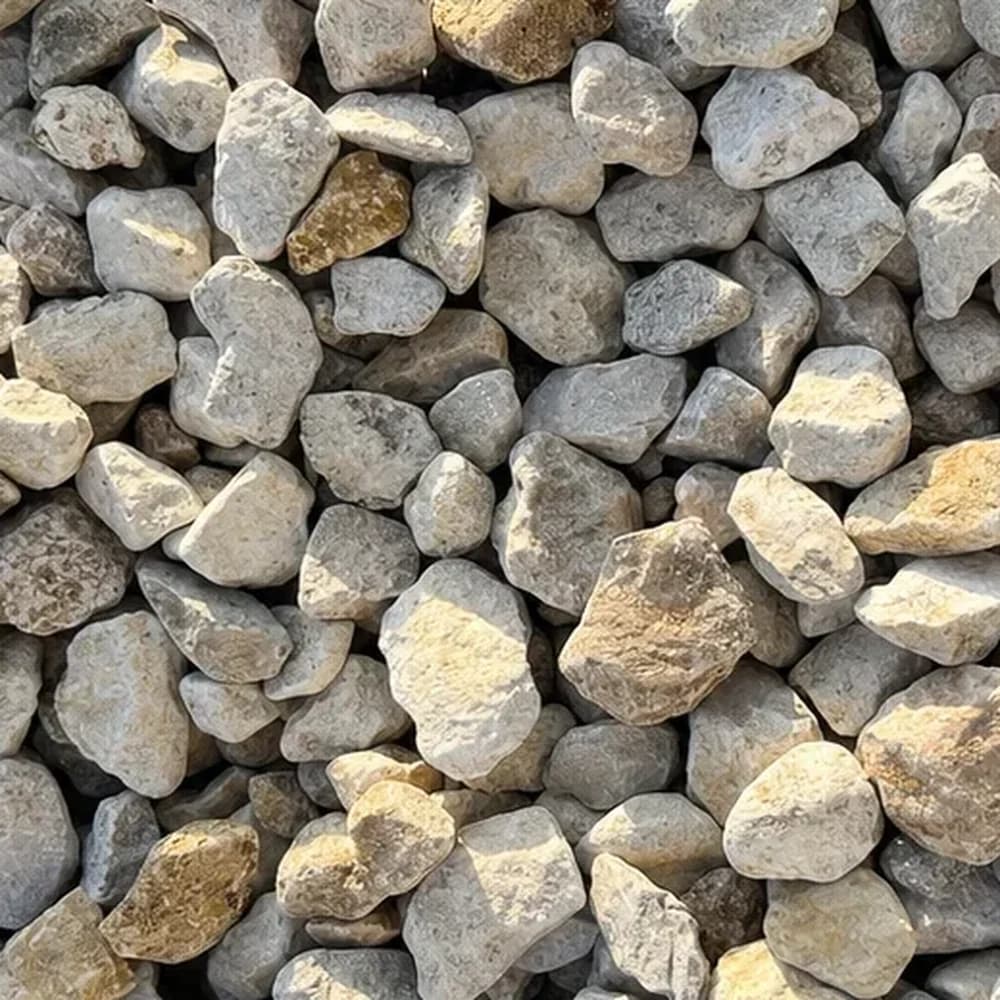
Set a bucket of #8 crushed stone beside a bucket of #89 on a soggy April jobsite and from ten feet they look like the same material. Tip them both out and the difference lands straight away. The #8 rattles apart into thumbnail-sized pieces with daylight showing between them, and it stays loose in your hand. The #89 slumps and holds together, because it carries the fines that have been washed out of #8. On slow-draining Ohio clay that one difference decides whether a drain is still moving water in its second spring or quietly silted shut.
Where the fines went, and why #8 drains when #89 will not
| Spec | Figure |
|---|---|
| Size | About 3/32 inch to 3/8 inch |
| Grading | #8, clean with little to no fines |
| Type | Crushed stone |
Ohio yards call clean stone by its size number rather than by an inch measurement, so #8 is the term to ask for at the counter, and the number describes the band the material has been screened to. Everything below that band has been taken out. That is the whole product: a narrow size range with nothing small left to plug the gaps between the pieces, so the voids stay connected and water has a route through the layer. It also means the layer never sets up firm. Push a rake through it and it moves; that is normal and not a fault.
Open voids under a drive apron when the thaw arrives
Frost reaches around 32 inches through much of the state and closer to 36 inches in northern counties, and it does its damage through what is held in the ground rather than through cold alone. Saturated clay under a slab or an apron expands as it freezes and lifts whatever sits on it. A clean layer that drains and empties has far less to give up when it freezes.
On the flat lake plain in the northwest, where spring rain and snowmelt sit on the clay until ditches and field tile take them away, the stone can only do its part if the water has somewhere to go. Across the till plains of the west and center, a dense subsoil perches water part way down while sand and gravel in the river valleys drains freely, so two corners of the same property behave differently. Set the outlet first and the stone second.
Bedding a pipe, then building a permeable patio
For a pipe run, cut the trench to fall, bed 4 inches of #8 under the pipe so it sits on stone rather than on the trench bottom, then bring the stone up around the haunches and over the crown. The small angular pieces work in under the pipe without a void behind them, and there is nothing in the load big enough to bear on a plastic wall. Wrap the stone in geotextile where the trench is cut through silty clay, because fine material migrating into the voids is the usual reason a drain stops working with no sign at the surface.
For permeable paving, the sequence runs the other way up: an open-graded subbase, then a choker course, then #8 as the bedding layer the units are set on, then the same stone swept into the joints. Keep it inside the paved footprint. Blending it into the soil at the edges hands the water back to the ground you were trying to route it away from.
Two of the jobs it gets ordered for want a much heavier stone
A pond or shoreline edge is the first. Wave action on a Lake Erie frontage and spring storm runoff into a farm pond will pick 3/8 inch stone up and carry it off in a season. That edge wants RipRap sized for the energy hitting it, with #4 crushed stone underneath as the filter layer, and #8 has no role in it.
A construction entrance is the second. The point of an entrance pad is large stone that flexes under a loaded truck and knocks mud off tires before it reaches the road, which again is #4 territory. Order #8 for that and you will have a set of ruts by the second week.
What the layer looks like after two Ohio winters
Clean stone that is doing its job stays quiet. The things that shorten its life are all arrivals from outside: silt washed off bare ground upslope, leaf litter breaking down into the surface of an exposed layer, and sand tracked off a drive. Where the stone is buried in a trench, fabric handles that. Where it is exposed in a paver joint, a stiff brush and an annual top-up of stone keeps the joints open, and a blower on a low setting clears leaf debris without emptying them.
If a drainage layer that used to run is holding water after a storm, the voids are blinded rather than the stone worn out. Opening a short section at the low end usually shows it.
A 12 by 16 permeable patio, measured and converted to tons
Take a hypothetical permeable patio of 12 feet by 16 feet, with #8 as a 2 inch bedding layer under the units.
- Area: 12 x 16 = 192 square feet
- Depth: 2 inches = 0.167 feet
- Volume: 192 x 0.167 = 32 cubic feet
- Cubic yards: 32 / 27 = 1.2 cubic yards
- Tons at about 2,800 lb per cubic yard, or 1.40 tons per yard: 1.2 x 1.40 = 1.7 tons
Add a little for the joints and for the depth always running deep at an edge, so 1.75 to 2 tons is the sensible order. A hypothetical 60 foot pipe run at 18 inches wide with 6 inches of stone around it works out at 60 x 1.5 = 90 square feet, 90 x 0.5 = 45 cubic feet, 45 / 27 = 1.7 cubic yards, or about 2.3 tons on the same figure.
Put your own measurements through the stone calculator, then set a quantity and a delivery date on this page. Delivery is arranged at checkout from the ZIP code, and the truck needs a clear run to a spot where the bed can be raised. If the trench and the patio are going in on the same visit, send the two areas through the contact page and Ohio Rock Supply can add them up with you.
Quickly Calculate How Much You Need
Material: #8 Crushed Stone
How to Measure
Measure the length and width of your project area in feet
Decide on depth in inches (2" for landscaping, 4" for driveways)
Enter the values above and we'll calculate the tonnage you need
Need help figuring out the right amount? We can help!
Call or text us at (216) 247-5333 and we'll help you calculate the right quantity for your project.
Not sure how much you need? The Stone Calculator has depth guides, coverage charts and worked examples for this material.
Frequently Asked Questions About #8 Crushed Stone
Customer Reviews
Needed crushed stone for a driveway project and ordering from them was super easy. Delivery showed up when expected and I'd definitely order again, recommend them for sure.
Chris P. · Cincinnati, OH · Verified Buyer
Grabbed crushed stone from them and ordering was simple. Delivery showed up when expected and the whole thing was easy.
Tony F. · Cleveland, OH · Verified Buyer
Got crushed stone from them and the delivery arrived right on schedule. Super happy with how easy it all was, 5 out of 5.
Doug B. · Akron, OH · Verified Buyer
Picked up crushed stone from them and everything was easy from start to finish. Pricing was fair, and I'm really happy with what I got.
Karen L. · Columbus, OH · Verified Buyer
#8 Crushed Stone has 4 verified customer reviews with an average rating of 5 out of 5.